
Every year, questions about beach conditions return to the spotlight. And early 2026 is no exception. With new satellite data and on-the-ground observations, many travelers and buyers are asking: what’s really happening with sargassum in Mexico in 2026?
The short answer is nuanced—but far from alarming.

Is There Sargassum in Mexico Right Now?

Based on oceanographic studies and satellite imagery from the Atlantic, specialists warn that the sargassum season in 2026 could start earlier than usual. Research from the University of South Florida shows an unusual accumulation of macroalgae in open waters, known as the Great Atlantic Sargassum Belt.
Because of warmer ocean temperatures, shifting currents, and higher nutrient levels, biomass levels may exceed historical averages by as much as 75%. As a result, parts of the Mexican Caribbean could see earlier arrivals, especially toward late winter and early spring.
That said, projections do not equal daily reality on the beach.
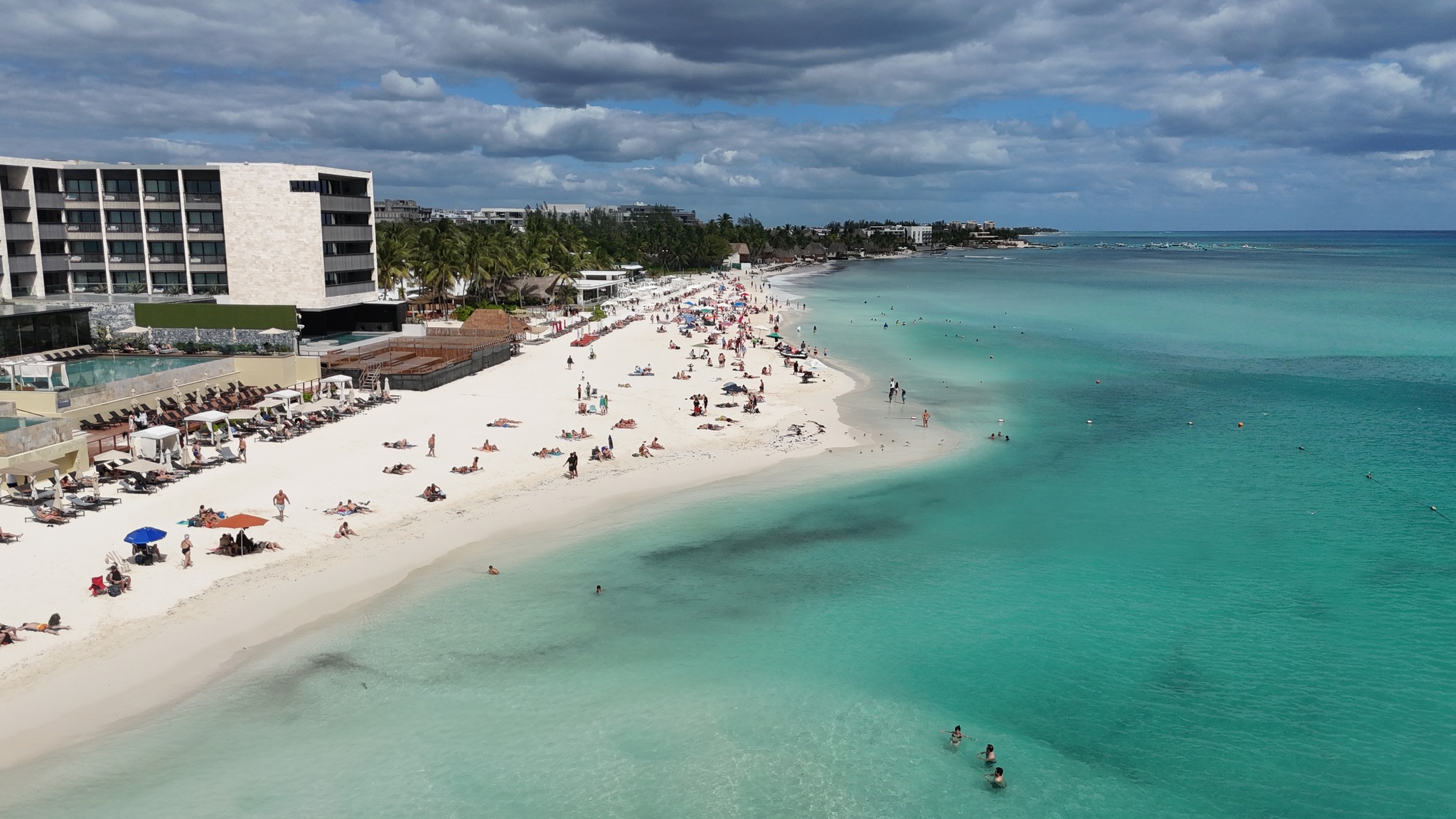
While media headlines paint a broad picture, real beach conditions vary widely—and often change within hours. Based on recent photos and local observations from January and February 2026, the situation is more encouraging than expected.
What We’re Actually Seeing on Riviera Maya Beaches

Cancún is currently the cleanest area overall. Costa Mujeres looks almost spotless, while iconic beaches like Playa Delfines (Mirador) and Playa Marlín remain largely free of sargassum.
Tulum, surprisingly, shows a mostly clear coastline. In some areas, sargassum appears on the sand but not in the water. Meanwhile, nearby Akumal does have visible accumulation, although conditions shift daily.

In Playa del Carmen, beaches such as Playacar, Coco Beach, Mamitas, and Playa Maroma are looking stunning and clean. The water remains clear, which is great news for residents, visitors, and property owners alike.
Puerto Morelos is typically calm and clean. This year, some sargassum has appeared near the fishermen’s pier. However, it stays mostly at the shoreline rather than floating offshore.
Why Sargassum Is So Hard to Predict
One local resident explained it best: no one can give a precise forecast. Weather and wind direction play a massive role. For example, this has been the coldest winter week in Playa del Carmen in five years—something few predicted.
In fact, you can see brown water on one stretch of beach and crystal-clear water just 200 yards away. That’s the reality of coastal dynamics in the Riviera Maya.

What’s Being Done for Sargassum in Mexico 2026?
Authorities and environmental specialists recommend strengthening containment measures this year. These include offshore collection, anti-sargassum barriers, and better coordination between environmental agencies and local governments.
Importantly, these efforts aim not only to protect tourism but also to preserve marine ecosystems, reefs, and seagrass beds.

A Realistic but Positive Outlook
So, is there seagrass in Mexico right now? In some areas, yes. However, many of the Riviera Maya’s most popular beaches remain clean, swimmable, and beautiful.
As always, conditions shift. Yet the region continues to adapt, respond, and improve its management strategies—making coastal living here as appealing as ever.
